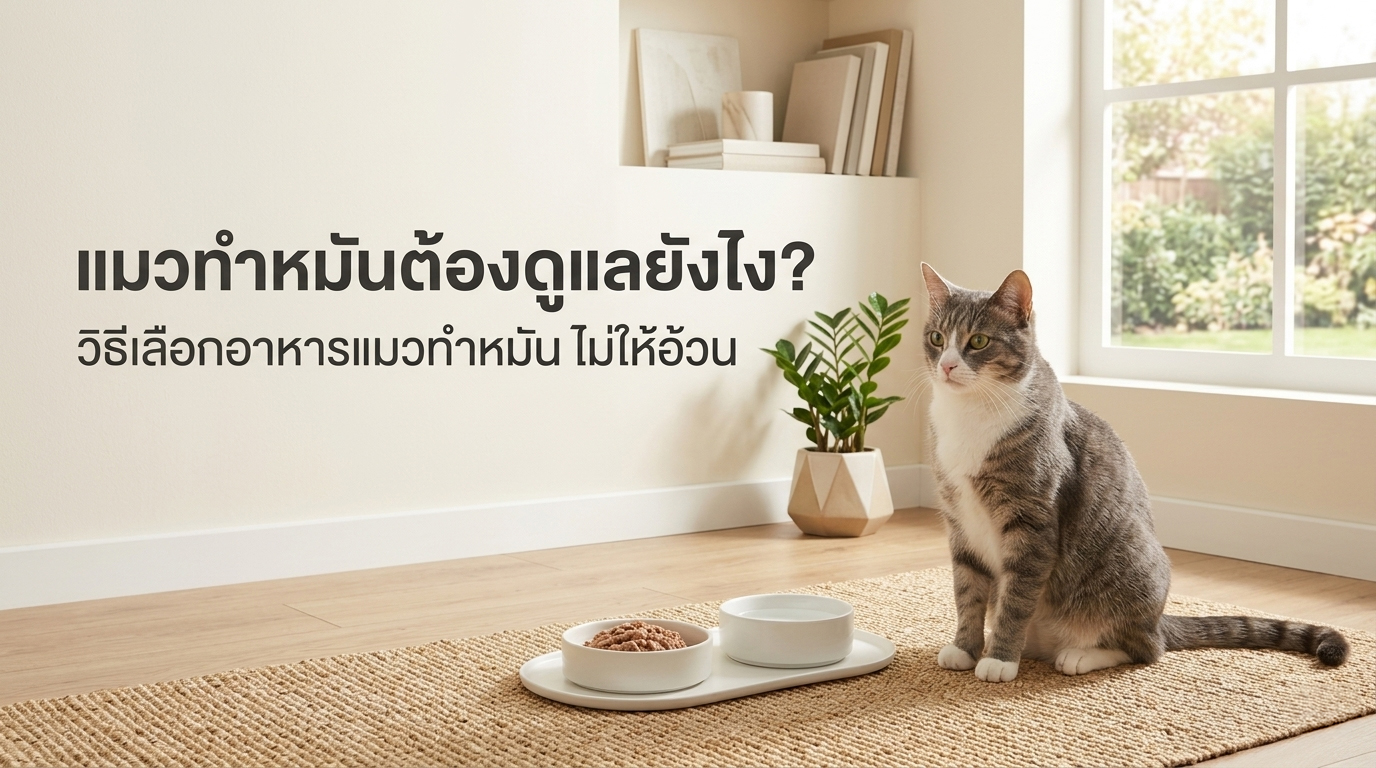
How to Care for a Sterilised Cat: How to Choose Cat Food for Sterilised Cats Without Weight Gain
How to Care for a Sterilised Cat: How to Choose the Right Food to Prevent Weight Gain and Support Long-Term Health
Sterilisation is an important step that many cat owners choose to support their cat’s long-term health, behaviour, and overall quality of life. However, after sterilisation, many owners begin to notice changes such as increased appetite, lower activity levels, and easier weight gain. This often leads to a common question: how should you care for a sterilised cat, and what type of food is most suitable?
This article is designed as an easy guide for cat owners, covering how to care for a cat after sterilisation, which signs to watch for, and how to choose the right food to support healthy weight management, digestive balance, and urinary tract health in the long term.
Quick Summary for Cat Owners
After sterilisation, cats often become more food-motivated, use less energy, and gain weight more easily than before. To keep them healthy, owners should focus on:
- controlling portions based on body weight and activity level
- choosing food formulated for sterilised cats or food with appropriate calorie levels
- encouraging regular play and movement
- supporting hydration and urinary tract health alongside daily nutrition
Why Do Sterilised Cats Need Special Care?
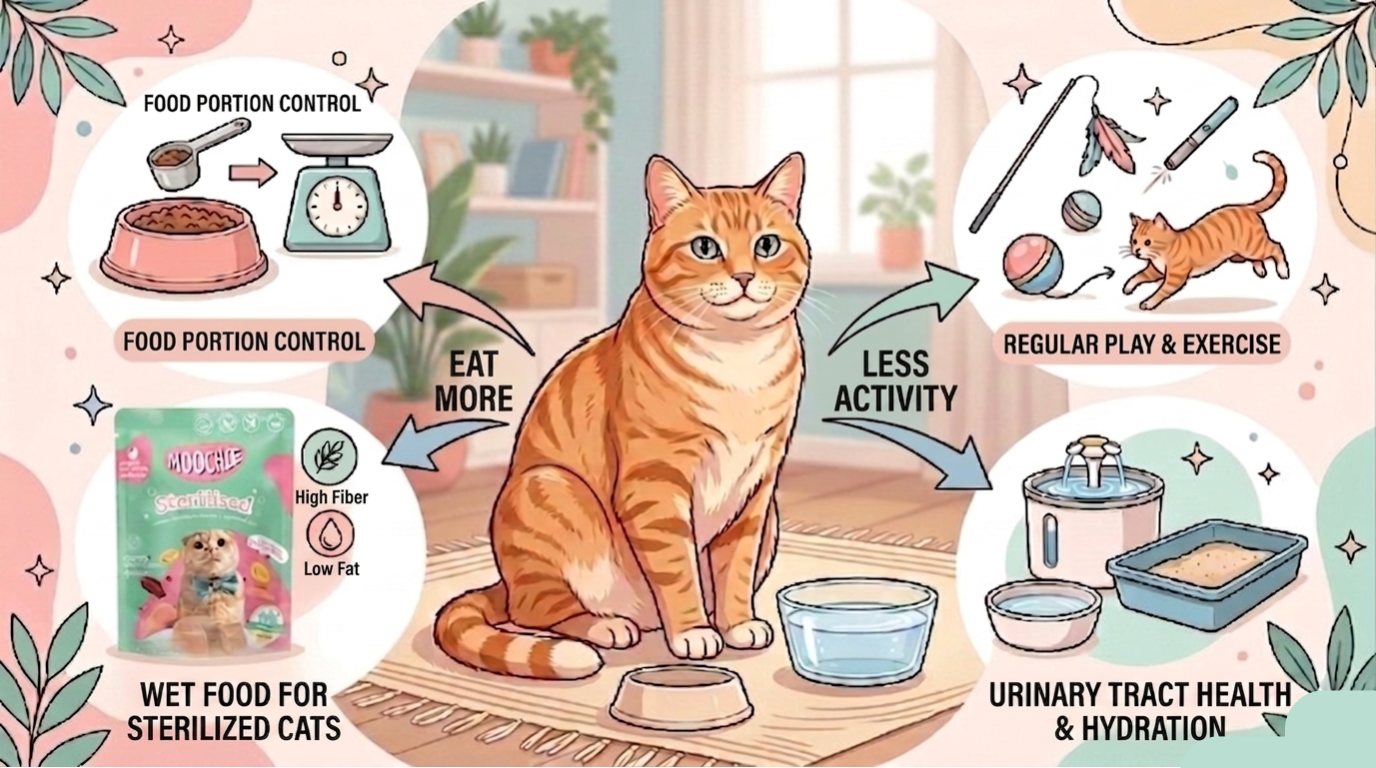
After sterilisation, cats go through hormonal and behavioural changes that can affect how much energy they use each day. As a result, many cats may:
- eat more than before
- become less active
- gain weight more easily
- accumulate body fat faster
- become more prone to weight-related and urinary tract issues if their care is not adjusted properly
For this reason, sterilisation should not be seen as the end of the process. Owners need to adapt daily care to match their cat’s new lifestyle, especially in terms of food, portion control, hydration, and regular weight monitoring.
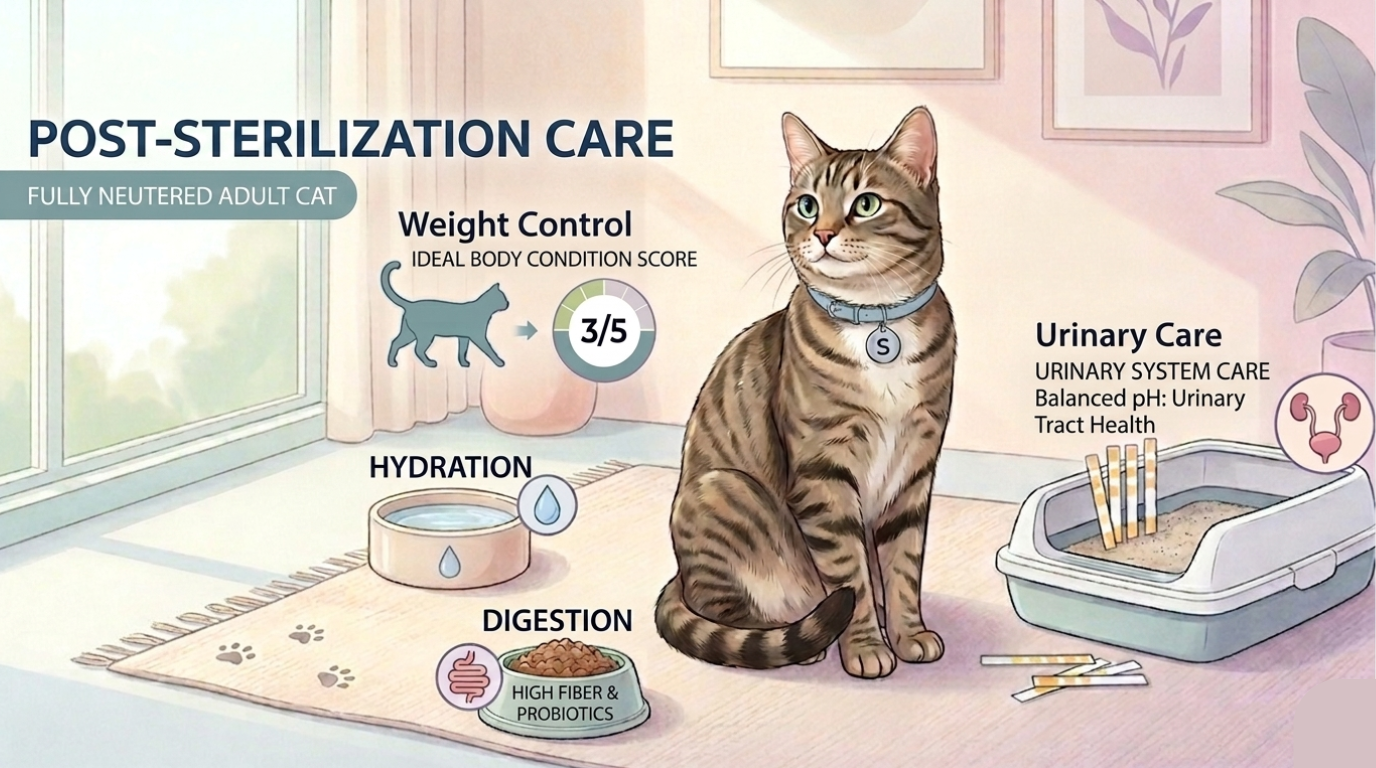
Common Changes in Cats After Sterilisation
1) Increased Appetite
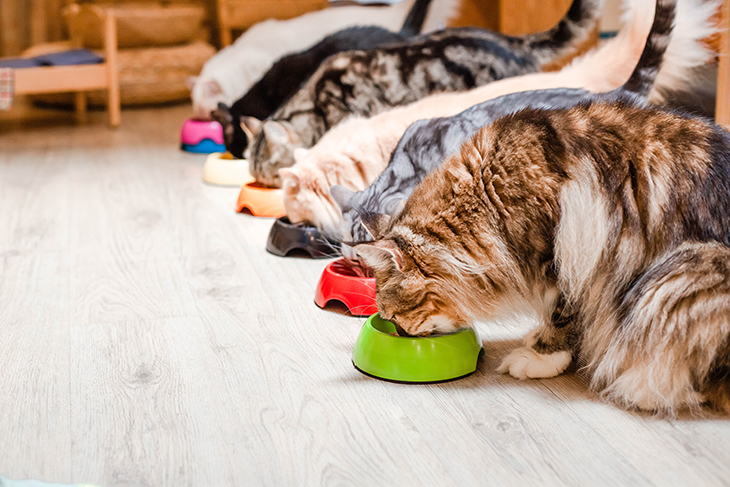
Many cats become more interested in food after sterilisation. They may eat faster, ask for food more often, or appear hungrier throughout the day. This can easily lead to overfeeding without owners realising it.
2) Reduced Energy Use
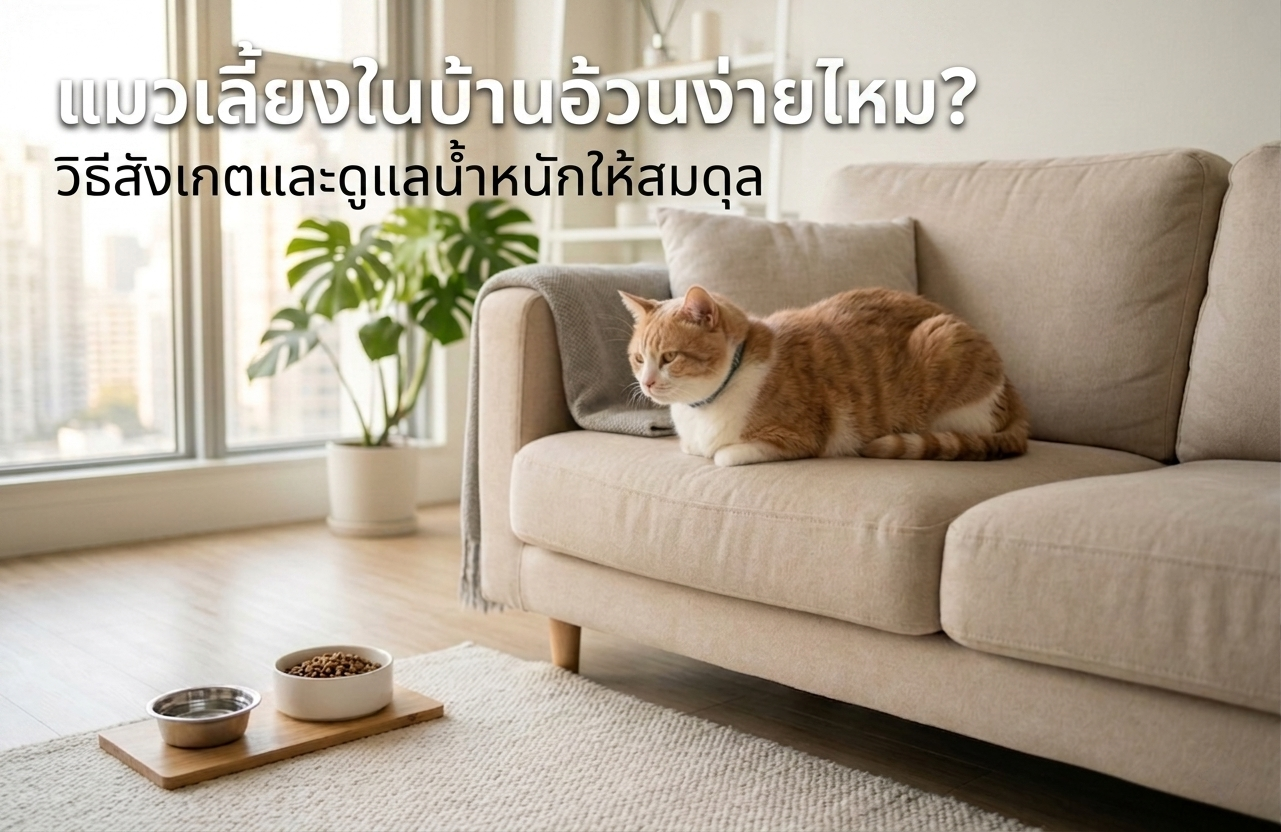
When cats move less but continue eating the same amount, or more, weight gain becomes much more likely. This is especially common in indoor cats.
3) Easier Weight Gain and Changes in Body Shape
Owners may begin to notice that their cat feels softer, develops more fat around the belly, loses a defined waistline, or becomes less playful than before.
4) Greater Need for Urinary Tract Support
Some sterilised cats, particularly those that drink very little water, may need extra nutritional and hydration support to help maintain urinary tract health and overall balance.
Do Sterilised Cats Gain Weight More Easily?
Yes, they often do. If owners continue feeding the same amount of food without adjusting for post-sterilisation changes, weight gain can happen quite quickly.
This is usually because three things tend to happen at the same time:
- appetite increases
- energy expenditure decreases
- physical activity is reduced
The goal is not to cut food too drastically, but to choose the right food for sterilised cats and provide portions that match the cat’s actual body condition and daily lifestyle.
.png)
What Should Food for Sterilised Cats Include?
When choosing food for a sterilised cat, it is important to look beyond the word “sterilised” on the label. The overall nutritional profile should be suitable for the cat’s specific needs.
1) Appropriate Protein Levels
Cats are carnivores, so they still require sufficient protein to help maintain lean muscle mass and support daily health.
2) Moderate Calorie Content
Because sterilised cats often use less energy, food with suitable calorie levels can help owners manage body weight more effectively.
3) Fibre or Ingredients That Help Promote Satiety
Certain types of fibre may help cats feel full for longer and reduce food-seeking behaviour between meals.
4) Digestive Support
When digestion and bowel movements are well balanced, it becomes easier to maintain long-term health and comfort.
5) Urinary Tract Support
Indoor cats and cats that drink little water may benefit from food that supports hydration and urinary health as part of everyday care.
Practical Daily Care Tips for Sterilised Cats
1) Monitor Weight Regularly
Weigh your cat every 2 to 4 weeks if possible. This helps you spot early weight gain before it becomes a bigger issue.
2) Divide Meals Into Smaller Portions
Feeding 2 to 4 meals a day may help reduce hunger and make portion control easier.
3) Encourage Play and Activity
Use teaser toys, interactive toys, or puzzle feeders to keep your cat moving and mentally stimulated.
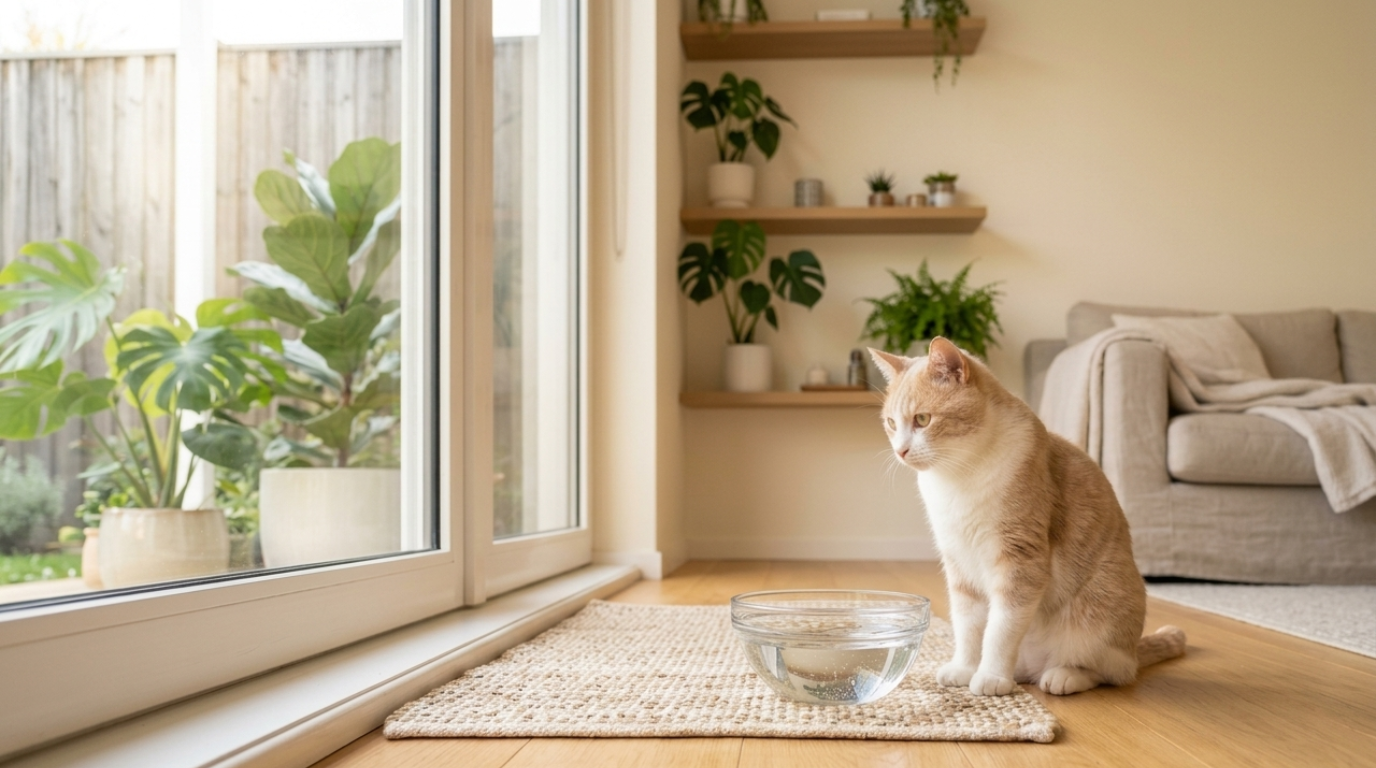
4) Support Hydration
Water intake is especially important for sterilised cats, particularly those that eat mostly dry food. Multiple water bowls, cat fountains, or wet food can help increase daily moisture intake.
5) Watch Stool and Urination
Changes in stool consistency, litter box frequency, straining, or reduced urination should be monitored carefully.
Why Wet Food Can Be a Good Choice for Sterilised Cats
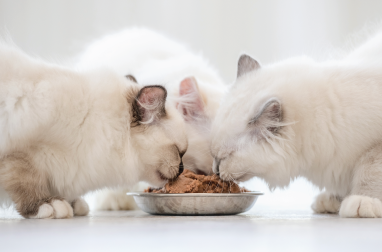
Wet food can be an excellent option for many sterilised cats, especially those that do not drink enough water. Because wet food contains higher moisture than dry food, it can help increase daily water intake more easily.
Wet food is also often more aromatic and easier for cats to enjoy, which makes feeding more convenient for owners. However, it is still important to choose a formula that matches the cat’s life stage and condition, such as a formula for adult sterilised cats or one designed to help with weight control.
How to Choose the Right Food for a Sterilised Cat
Before making a decision, check these five points:
- It is suitable for your cat’s life stage and condition, such as adult or sterilised
- It provides appropriate calories and is not unnecessarily high in energy
- It contains sufficient protein and complete daily nutrition
- It offers support for digestion, satiety, or body condition
- Your cat can eat it happily every day, because good nutrition must also be practical and palatable
Moochie Sterilised : A Wet Food Option for Sterilised Cats
For owners looking for wet food for sterilised cats, Moochie Sterilised Chicken Breast Formula is one option developed for adult sterilised cats and cats that are prone to becoming overweight. The formula is designed to support the needs of cats after sterilisation.
Key Features of Moochie Sterilised Chicken Breast Formula
- Low Calorie to support body weight management
- L-Carnitine to support energy management
- FOS Prebiotic to help support digestive balance
- Cellulose, an insoluble fibre that may help promote satiety
- Cranberry Extract to support urinary tract care
- No added salt
- Complete & Balanced Nutrition for everyday feeding
Why This Formula Is Suitable for Sterilised Cats
Many sterilised cats face three common challenges: increased appetite, easier weight gain, and lower water intake. A formula specifically developed for sterilised cats may help support these needs more directly than general formulas.
For example:
- if your cat asks for food often, fibre such as cellulose may help improve satiety
- if you are concerned about body condition, a formula with appropriate calories and L-Carnitine may support weight management
- if urinary health is a concern, wet food with high moisture content can be a helpful part of daily care
Should You Immediately Reduce Food If Your Sterilised Cat Eats More?
Not drastically. Reducing food too suddenly may cause stress and excessive hunger. A better approach is to:
- check your cat’s current weight
- follow the feeding guide on the pouch or label
- adjust portions based on your cat’s activity level
- divide food into clear meals
- avoid unnecessary extra feeding throughout the day
If your cat continues to gain weight over time, it is best to consult a veterinarian for a more tailored feeding plan.
Signs That It May Be Time to Adjust Your Cat’s Care
Look out for these signs:
- asking for food much more often
- rapid weight gain within 1 to 2 months
- ribs becoming harder to feel
- a sagging belly or visible fat accumulation
- reduced activity or less interest in play
- low water intake
- changes in stool or urination
If several of these signs appear together, it may be time to review your cat’s food and activity more seriously.
Sterilisation Does Not Mean Your Cat Has to Become Overweight
Sterilisation is both normal and beneficial for many cats, but it does require some changes in daily care afterwards. Paying attention to food, body weight, exercise, and hydration can make a big difference.
The key is to choose food that is suitable for sterilised cats: food that does not provide excess calories, but still offers complete nutrition and enjoyable daily feeding. With the right formula and care routine, it is entirely possible to help a sterilised cat stay healthy and maintain a good body condition.
Where to Buy Moochie
If you are interested in Moochie cat food, it is available at : Leading pet shops
- Shopee: http://www.shopee.co.th/moochiepetfood
- Lazada: https://www.lazada.co.th/shop/moochiepetfood
- LINE Official : @moochie
FAQ About Sterilised Cats
Q : Do all sterilised cats become overweight?
A : Not all of them, but they are generally more likely to gain weight if their food intake and activity remain unchanged after sterilisation.
Q : Should I change my cat’s food after sterilisation?
A : Many owners choose to switch to a formula for sterilised cats because it may help support weight management and overall health more effectively.
Q : Can sterilised cats eat wet food?
A : Yes. Wet food can help increase daily moisture intake and is especially suitable for cats that do not drink much water.
Q : How is food for sterilised cats different from regular cat food?
A : Food for sterilised cats is often formulated with more appropriate calorie levels to support body condition, satiety, and in some cases urinary tract health.
Q : Can sterilised cats still eat treats?
A : Yes, but treats should be given in moderation and counted as part of the cat’s daily calorie intake.
Q : What should I do if my sterilised cat asks for food all the time?
A : Try dividing meals more clearly, increasing playtime, and choosing food that helps support satiety instead of offering extra food too often.
Q : How do prebiotics help cats?
A : Prebiotics are a type of fibre that helps support beneficial gut bacteria, which may contribute to better digestive balance and more regular bowel movements.
Q : What are the most important things to watch in a sterilised cat?
A : Weight, water intake, and changes in bowel movements or urination are three key areas owners should pay close attention to.
Updated on : 14 April 2026